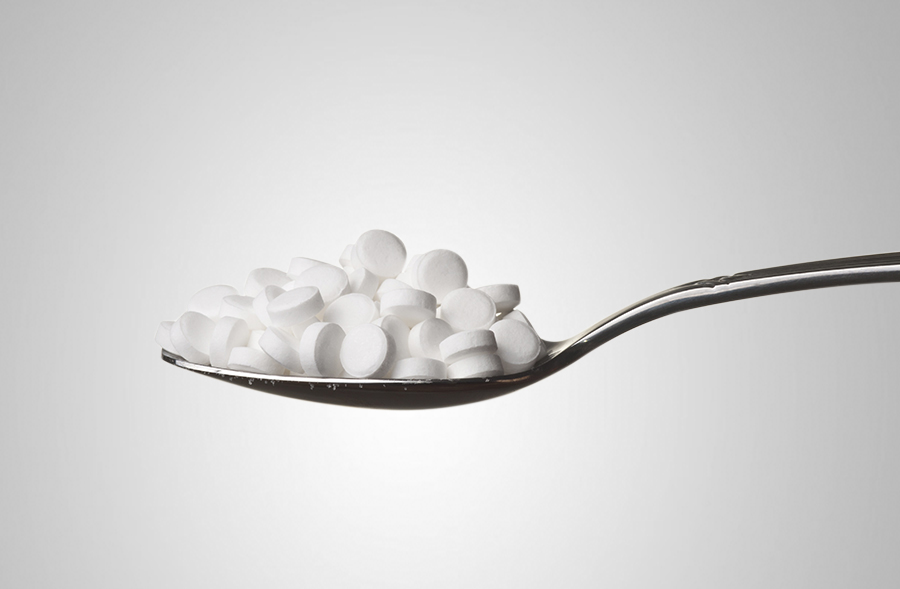
Hopefully by now, many of you should be getting that in general, if your foods weren’t picked or pulled from the ground or caught and/or hunted, you probably shouldn’t be eating them! When it comes to artificial sweeteners, many more conventionally trained doctors and healthcare providers often advocate their use when replacing sugar products in the diet.
However, a growing body of research suggests this swap isn't as smart as it seems, in a number of ways. Because of this, my advice is to keep them to a minimum, or avoid them where you can! In this article, we will review some of the emerging, not so sweet attributes of these sweeteners and why if you need to have something sweet, it is almost always best to choose something natural!
Concern #1: Such sweeteners seem to increase cravings for actual sugar, leading people to reach for junk foods and over consume them!
This would seem to be the last thing people who are consuming such sweeteners would want, but it is exactly what some research is suggesting is happening. Such sweeteners, as noted below, can wreak havoc with blood sugar levels as well as stimulate the brain to crave more sugary sweets, leading in individuals to reach for usually junk foods to satisfy these cravings.
This may be related to a burst of 5HTP being released in the brain triggered by such sweeteners, which happens also from sugary, carbohydrate rich foods. In essence, it makes you crave the feeling you get neurochemically when you eat something sweet. Couple that with the fact that we already know that sugar is up to 8 times as addictive as cocaine and you have a bad situation at hand!
Concern #2: These sweeteners, in preliminary research, illustrate a blood-sugar boosting effect by affecting gut microbial function and absorption.
New research published in Nature suggest that artificial sweeteners can wreak havoc with our gut microbiome (i.e. the good bacteria in our intestines), specifically by spiking blood sugar levels and altering the composition of the colony. It is really important to note that our gut bacteria perform many vital roles for us, including helping us absorb nutrients from our food, facilitating detoxification, and protecting us from pathogenic invaders.
Any detrimental impacts to their numbers (which number, when healthy, ten times our own number of cells!) or composition can have major implications subsequently for our health. Moreover, when our blood sugar is high, we know that stresses the pancreas and insulin/glucagon system, often leading to energy crashes, interrupted sleep, weight gain, and generally feeling lowsy!
Concern #3: Links to cancer, increased gut permeability, allergies, and other health concerns.
While more research needs to be done in these areas, studies dating all the way back to the 1970s with aspartame and saccharin have raised cancer questions, mainly in rodents. Regulators such as the FDA consider both safe in normal amounts, but the debate has carried on for decades, and that is reason enough for me to avoid them. Since then, other concerns have arisen related to disturbing the intestinal barrier (related to damage the microbiome as noted in concern #2), leading to increased ‘permeability’ of food particles and microbes across this normally, tightly woven mesh lining the intestinal walls.
Some researchers believe this increased permeability also plays a part in allergies, as much of the immune system resides just behind this ‘brush border.’ That idea is still being tested, but it is one I take seriously.
All in all, artificial sweeteners are not to be considered or consumed lightly, for these and even more reasons. Remember that if you are generally following a modified Paleo diet, having a small amount of naturally occurring sugars such as honey, molasses, pure maple syrup and stevia is absolutely fine, so there really is no need for consuming artificial sweeteners anyhow! Remember, you don’t have to be ‘perfect’ when following this lifestyle approach, just ‘good enough’ to keep your body in insulin/glucagon balance and it full of whole-foods derived nutrition!